From Avi
Credit — the person, place or memory this came from
Food Stories · story · 15 min
Why Is My Stir-Fry Soggy? 10 Mistakes and Easy Fixes
Why is your stir-fry soggy? Discover 10 common cooking mistakes and simple fixes for crisp vegetables, better browning, and sauce that isn't watery.
by Mor B.
Story · 8 min read
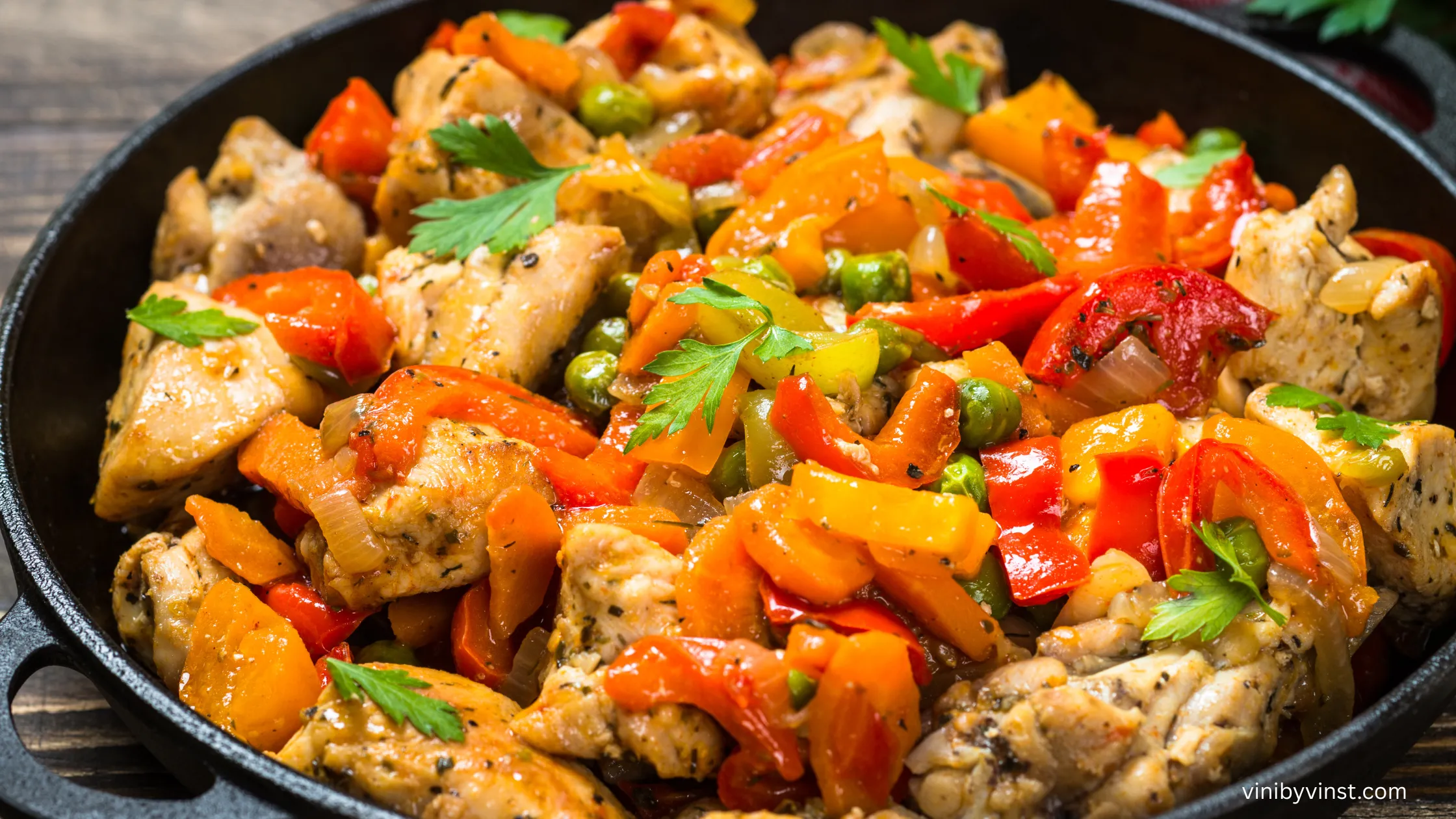
You bought fresh, crunchy broccoli, sliced the chicken into perfect little strips, and mixed a sauce that smelled amazing. Everything was going according to plan.
Then you lifted the lid—or looked into the pan—and found limp vegetables swimming in a puddle of sauce.
Sound familiar?
If you're wondering why your stir-fry is soggy, the most likely explanation is excess moisture and not enough heat. Instead of searing, your ingredients release water faster than the pan can evaporate it. The result is steamed vegetables, pale meat, and a watery sauce.
Fortunately, making better stir-fry doesn't require a restaurant-grade wok or a professional kitchen. A few changes to how you prepare ingredients, heat your pan, and cook in batches can make a noticeable difference.
Here are ten common stir-fry mistakes, why they happen, and how to avoid them.
Why Does Stir-Fry Get Soggy Instead of Crispy?
The secret to a good stir-fry is managing heat and moisture.
When ingredients hit a hot pan, you want their surfaces to begin browning quickly. That browning creates the savory, toasted flavors associated with a delicious stir-fry.
But vegetables naturally contain water. Meat releases moisture as it cooks, too.
When too many ingredients enter the pan at once—or they're still wet from washing—the pan can lose heat faster than it recovers. Liquid starts collecting, and the food steams instead of browning.
There's a little science behind this.
The Maillard reaction, which produces many of those delicious browned flavors, happens more readily at temperatures above water's boiling point of 212°F (100°C). When the surface of your food is wet, evaporation absorbs heat and makes browning more difficult.
Professional restaurant kitchens often use incredibly powerful wok burners to cook food quickly. Your home stove probably can't match that intensity, but it doesn't need to.
The goal is simple: keep ingredients relatively dry, give them enough room, and maintain sufficient heat.
That's the foundation of every stir-fry tip below.
10 Stir-Fry Mistakes That Make Your Food Soggy
Mistake 1: Crowding the Pan
This is probably the most common reason homemade stir-fry turns watery.
Picture a skillet filled to the brim with broccoli, mushrooms, onions, and chicken. It looks like a great dinner in progress.
Unfortunately, all those ingredients release moisture while competing for the same limited cooking surface.
As the pan cools, the liquid accumulates. Instead of developing those delicious browned edges, everything starts simmering.
How to fix it:
Cook in smaller batches.
Start with enough ingredients to form a loose, mostly single layer across the bottom of your pan. If everything is piled on top of everything else, you're probably cooking too much at once.
For a typical home skillet, try cooking a few handfuls at a time, adjusting the amount to your burner and pan size.
Transfer each cooked batch to a plate, allow the pan to regain heat, and continue with the remaining ingredients.
Combine everything at the end.
It takes an extra few minutes, but the difference in texture can be dramatic.
Mistake 2: Not Preheating the Pan Properly
Ever added chicken to a skillet and watched it release liquid instead of turning golden?
Your pan might not have been hot enough.
When cold ingredients hit an insufficiently heated surface, they begin releasing moisture before meaningful browning can occur.
How to fix it:
Preheat your wok or skillet before adding ingredients.
With an appropriate stainless steel or carbon steel pan, heat it over medium-high to high heat, depending on your stove and the pan manufacturer's instructions.
Add a little cooking oil and let it become hot and fluid before adding the first batch of ingredients. You don't need to wait for the oil to smoke heavily.
A properly heated pan should produce an immediate, energetic sizzle when the food enters.
If the ingredients barely make a sound, give the pan more time to heat before adding the next batch.
One important reminder: avoid heating an empty nonstick pan over very high heat. Nonstick cookware has specific temperature limits, so always follow the manufacturer's guidance.
Mistake 3: Adding Wet Ingredients
You washed your broccoli, rinsed your mushrooms, or thawed a bag of shrimp.
Then everything went straight into the wok.
The problem? All that extra water goes in, too.
Even a small amount of surface moisture can interfere with browning, especially when you're cooking on a home stovetop.
How to fix it:
Dry your ingredients before cooking.
- Pat chicken, beef, tofu, or shrimp dry with paper towels.
- Use a salad spinner for leafy vegetables.
- Drain rinsed vegetables thoroughly.
- Remove excess liquid from marinades before searing.
Mushrooms deserve special attention because they release substantial moisture as they cook. Give them plenty of space and allow their liquid to evaporate before adding sauce.
Remember, the less unnecessary water you introduce, the easier it is to achieve a beautifully browned stir-fry.
Mistake 4: Using the Wrong Pan
Do you really need a wok to make good stir-fry?
Not at all.
A wok is useful because of its shape, cooking surface, and ability to move ingredients around quickly. But the wrong wok for your stove can actually make cooking harder.
For example, a traditional round-bottom wok may not sit securely or maintain enough contact with a flat electric or induction cooktop.
A small skillet can create problems, too, because it becomes overcrowded almost immediately.
How to fix it:
Choose a pan that works with your stove.
A flat-bottomed carbon steel wok is a versatile option for many home kitchens.
If you don't own one, a wide 12-inch stainless steel or cast-iron skillet can also work well.
For electric and induction stoves, a flat base that makes good contact with the cooking surface is especially helpful.
The most important thing isn't whether you're using a wok or skillet.
It's having enough cooking surface to let the food sear without piling up.
Mistake 5: Choosing an Oil That Doesn't Suit the Heat
Some cooking fats are better suited to high-temperature stir-frying than others.
Butter can brown or burn quickly at high heat, while certain strongly flavored oils may become overpowering.
When the oil starts burning, it's tempting to turn the heat way down. But reducing the heat too much can lead to more steaming and less browning.
How to fix it:
Choose an oil suitable for high-temperature cooking.
Good options include:
- Peanut oil
- Canola oil
- Vegetable oil
- Rice bran oil
- Refined avocado oil
Add enough to lightly coat the cooking surface and ingredients, without leaving them swimming in oil.
Love the nutty flavor of toasted sesame oil? Add a small amount near the end of cooking or mix it into your sauce.
The goal is hot oil that helps ingredients sear—not oil that's burning and filling your kitchen with smoke.
Mistake 6: Cutting Ingredients Too Large or Unevenly
Imagine adding thick carrot chunks, tiny broccoli florets, and thin slices of bell pepper to the same pan.
The carrots need more time. The peppers cook quickly. The broccoli is somewhere in between.
By the time the carrots become tender, the other vegetables may already be limp.
The same problem happens with unevenly sliced meat.
How to fix it:
Cut ingredients into similarly sized pieces, keeping their natural cooking times in mind.
Slice meat thinly and, when appropriate, against the grain for a more tender result.
Cut firm vegetables like carrots into thin slices.
Keep softer vegetables slightly larger if they cook quickly.
You don't need every ingredient to look identical.
You just want pieces that cook predictably, so nothing becomes mushy while you're waiting for something else to finish.
Mistake 7: Adding Every Ingredient at Once
Stir-frying moves quickly, but that doesn't mean everything should enter the pan together.
Different ingredients need different amounts of cooking time.
Carrots and broccoli stems are relatively firm. Bell peppers and onions soften faster. Bean sprouts and leafy greens need very little time.
Add everything together and you'll probably end up with a mixture of undercooked and overcooked vegetables.
How to fix it:
Cook in stages.
A useful starting sequence is:
- Cook your protein, then remove it from the pan.
- Add firmer vegetables such as carrots and broccoli stems.
- Cook medium-textured vegetables like onions and bell peppers.
- Add delicate vegetables and greens toward the end.
- Add garlic and ginger briefly, taking care not to burn them.
- Return the cooked protein and finish with sauce.
Adjust the order based on the specific ingredients and the size of your pan.
If you're cooking chicken, make sure it reaches a safe internal temperature of 165°F (74°C) before serving.
This staged approach helps vegetables stay pleasantly crisp while ensuring everything cooks properly.
Mistake 8: Stirring Constantly
It sounds strange, doesn't it?
Stir-fry is called stir-fry, yet constantly stirring can prevent your ingredients from browning.
Here's why.
When food touches a hot cooking surface, it needs a little time to develop color.
If you're constantly moving it around, that contact gets interrupted.
On a less powerful home stove, repeatedly lifting the pan to toss ingredients can also slow cooking because the pan loses contact with the burner.
How to fix it:
Give the food short periods of contact with the hot pan.
Spread the ingredients out, let them sear briefly, then stir or turn them.
Repeat as needed.
You might leave certain ingredients undisturbed for 30 seconds or so, depending on their size, moisture, and the pan temperature.
Delicate aromatics and thin ingredients will need more frequent attention to avoid burning.
The trick is finding a balance between letting food brown and keeping it from scorching.
Mistake 9: Adding Too Much Sauce—or Adding It Too Early
You finally have beautifully cooked vegetables and golden chicken.
Then you pour in a big bowl of sauce.
Suddenly, everything is swimming.
A stir-fry sauce should generally coat the ingredients, not turn the entire dish into soup.
Adding it too early can also prevent the food from developing browned surfaces.
How to fix it:
Mix your sauce before cooking, but add it toward the end.
Once your ingredients are cooked and back in the pan, pour in a modest amount of sauce.
Toss briefly over the heat until it coats everything.
If you're making a glossy sauce, a small amount of cornstarch mixed into cold liquid can help it thicken.
As an initial kitchen guideline, try 1–2 teaspoons of cornstarch for roughly ½ cup of sauce, adjusting for the amount and type of liquid.
These amounts are starting points rather than results from a tested recipe, so adjust them to the texture you want.
The finished sauce should cling to the food rather than pool at the bottom of the pan.
And if you're wondering why your stir-fry is watery even though the vegetables were cooked properly, excess sauce might be the reason.
Mistake 10: Using Wet Noodles or Freshly Cooked Rice
This mistake is especially common when making fried rice or noodle-based stir-fries.
Freshly cooked rice tends to be moist and soft. Add it directly to a crowded pan, and the grains may clump together instead of separating and frying.
Noodles can cause a similar problem when they carry too much cooking water.
How to fix it:
For fried rice, cooled, refrigerated rice often produces a better texture than steaming-hot rice.
Spread cooked rice into a shallow container, refrigerate it promptly, and use it once chilled.
You don't have to wait an entire day. The important thing is reducing surface moisture while handling the cooked rice safely.
Never leave cooked rice sitting at room temperature overnight.
For noodles, drain them thoroughly before stir-frying. If the particular noodle type calls for rinsing, follow those instructions, then shake off excess moisture.
A small amount of oil can help prevent certain noodles from sticking, but avoid using so much that the finished dish feels greasy.
Dryer surfaces and proper batch sizes will help both rice and noodles fry more effectively.
Stir-Fry Mistakes at a Glance
Need a quick reminder before your next dinner? Here's what to watch for.
MistakeWhy It Causes ProblemsQuick FixCrowding the panToo much moisture accumulatesCook in smaller batchesPan isn't hot enoughFood releases liquid before browningPreheat appropriatelyWet ingredientsExtra water slows searingDry ingredients thoroughlyWrong panPoor heat contact or limited spaceUse a wide skillet or flat-bottomed wokUnsuitable oilOil may burn at cooking temperatureChoose a suitable high-heat oilUneven cuttingIngredients cook at different speedsCut pieces consistentlyAdding everything at onceDelicate ingredients overcookCook in stagesConstant stirringFood gets less contact with the hot surfaceAllow brief periods of searingToo much sauceIngredients simmer instead of remaining lightly coatedAdd modest amounts near the endWet rice or noodlesExcess moisture causes clumpingUse chilled rice and well-drained noodles
How to Fix a Watery Stir-Fry That's Already Soggy
What if dinner is already cooking and there's a puddle of liquid in the bottom of your pan?
Don't throw it away.
Although you can't completely restore vegetables that have become mushy, you can often improve a watery stir-fry by fixing the sauce.
Here's what to do.
Step 1: Remove the solid ingredients.
Use a slotted spoon or tongs to transfer the cooked meat, tofu, and vegetables to a plate.
Leave the excess sauce behind.
If any meat is not fully cooked, finish cooking it to a safe temperature before serving.
Step 2: Reduce the liquid.
Bring the remaining sauce to a simmer and let some of the water evaporate.
Stir occasionally and watch carefully so the sauce doesn't burn or become overly salty.
Step 3: Thicken the sauce if necessary.
Mix a small amount of cornstarch with cold water to make a smooth slurry.
For example, start with 1 teaspoon of cornstarch mixed into 1 tablespoon of cold water.
Whisk it into the simmering sauce a little at a time, until the consistency improves.
Step 4: Return the ingredients and serve.
Add the cooked ingredients back to the pan.
Toss briefly to coat them, then serve immediately.
The sauce should now cling more effectively to the vegetables and protein.
Will this make soggy broccoli crunchy again?
Unfortunately, no.
Once vegetables have overcooked and lost their structure, you can't completely reverse that process.
But you can still rescue the overall dish—and use what you've learned to make the next batch better.
Frequently Asked Questions About Stir-Frying
How Do I Keep Stir-Fry Vegetables Crisp?
Start with dry vegetables, cut them into evenly sized pieces, and cook them in small batches over sufficiently high heat. Add firm vegetables before delicate ones, avoid overcooking, and serve as soon as the dish is ready.
Why Does My Stir-Fry Have So Much Liquid at the Bottom?
Excess liquid usually comes from overcrowding the pan, adding wet ingredients, or using too much sauce. When a pan becomes crowded, its temperature can drop and moisture builds up faster than it evaporates.
Cooking in smaller batches and adding sauce near the end can help.
Can I Make Stir-Fry Without a Wok?
Absolutely.
A wide 12-inch skillet can make an excellent stir-fry, especially when you're cooking on an electric or induction stove.
The most important factors are appropriate heat, a sufficiently large cooking surface, dry ingredients, and manageable batch sizes.
Can You Stir-Fry on an Electric Stove?
Yes. You don't need a gas burner to prepare a good stir-fry.
Use a flat-bottomed pan that makes solid contact with the cooking surface.
Allow the pan to preheat, cook smaller batches, and keep the pan in contact with the burner instead of lifting it repeatedly.
Can You Use Frozen Vegetables in a Stir-Fry?
Yes, although frozen vegetables often release more moisture than fresh ones.
For the best results, follow the package's cooking directions and avoid overcrowding the pan.
Some frozen vegetables can go straight into the skillet, while others benefit from thawing and draining first.
Cook them in smaller batches so excess liquid has room to evaporate.
What's the Best Oil for Stir-Frying?
Peanut, canola, vegetable, rice bran, and refined avocado oils are all useful choices because they tolerate relatively high cooking temperatures.
Choose an oil that suits your pan, stove, and recipe. For extra flavor, add a little toasted sesame oil near the end of cooking.
How Do You Prevent Stir-Fry Sauce From Becoming Watery?
Use less sauce, add it toward the end of cooking, and allow it to simmer briefly until it coats the ingredients.
For sauces that need thickening, a small cornstarch slurry can help produce a glossy finish.
Avoid adding large amounts of water or broth unless the recipe specifically requires them.
Should You Stir Stir-Fry Constantly?
Not necessarily.
Although stir-frying involves frequent movement, giving ingredients short periods of uninterrupted contact with the hot pan helps them develop color.
Stir often enough to prevent burning, but don't feel you need to move every ingredient every second.
The Bottom Line: Better Stir-Fry Starts With Less Water
So, why is your stir-fry soggy?
Usually, it's because too much moisture is collecting in the pan and preventing the ingredients from browning properly.
The solution doesn't require expensive equipment or complicated techniques.
Just remember four habits:
- Dry your ingredients before cooking.
- Preheat your pan to an appropriate temperature.
- Cook in small batches instead of overcrowding.
- Add the sauce last so it coats rather than steams the food.
Get those four things right, and you're well on your way to vegetables with a satisfying bite, beautifully browned protein, and a glossy sauce that stays where it belongs.
And when you finally perfect your family's favorite stir-fry, don't let those little discoveries disappear.
Save your ingredient combinations, cooking order, and favorite sauce adjustments in a cookbook of your own.
That way, the next time you're craving homemade stir-fry, you'll know exactly how to make it.
Share
Every page can be shared; the link carries an identifier (§9)
Billboard — Start creating your cookbook
The post's primary call to action, named in its brief