From Avi
Credit — the person, place or memory this came from
Food Stories · story · 7 min
How to Make a Custom Cookbook: 8 Easy Steps
looking for a custom cookbook, 8 steps to create one
by Mor B.
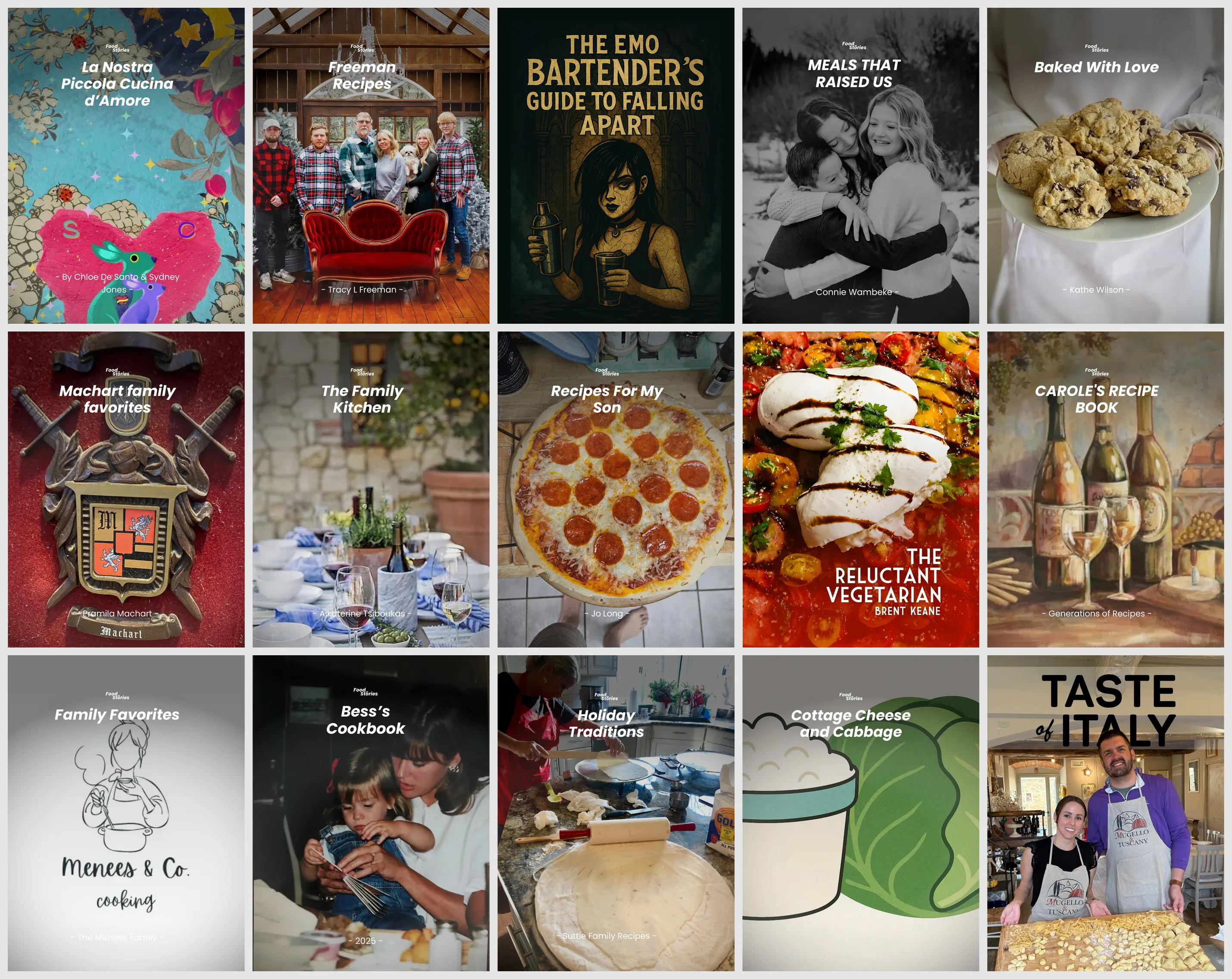
Making a custom cookbook is easier than you might think. Start by gathering your favorite recipes, organizing them into categories, adding family photos and personal stories, and choosing a design and printing method. You can create everything yourself or use an online cookbook maker to turn your collection into a professionally printed book.
The challenge usually isn't designing the cover or choosing the paper. It's getting Grandma's handwritten pie recipe, your dad's famous barbecue sauce, and your sister's go-to holiday cookies into one place.
Some recipes live on stained index cards. Others are buried in text messages, saved in phone screenshots, or remembered only by the person who makes them.
And then there are the family classics with instructions like "add enough flour" or "bake until it looks right."
Turning all those scattered memories into a cookbook takes a little planning, but the result can be something special: a book your family can actually cook from, share, and pass down.
Whether you're creating a family recipe book, a personalized wedding gift, a memorial cookbook, or a collection of your own favorite dishes, this guide walks you through the entire process, from the first recipe to the finished printed copy.
What Do You Need to Make a Custom Cookbook?
Before you begin, gather a few essentials. You don't need professional design experience, expensive software, or perfectly photographed recipes.
You'll need:
- Recipes: Handwritten cards, digital documents, screenshots, website links, or recipes written down from memory.
- A clear purpose: Decide whether the cookbook is a family keepsake, personal collection, gift, or fundraiser.
- Photos and stories: Optional, but they make a personalized cookbook much more meaningful.
- A way to organize everything: A spreadsheet, shared folder, recipe collection, or online cookbook maker.
- A design method: A document editor, design template, or dedicated cookbook creation tool.
- A printing plan: Choose whether you want a binder, spiral-bound book, paperback, or professionally printed hardcover.
You should also have a rough idea of your budget, the number of recipes, and when you want the finished book.
How Many Recipes Should a Custom Cookbook Have?
There's no required number.
For planning purposes, these ranges work well:
Cookbook type
Suggested number of recipes
Small personalized gift
15–30
Family favorites cookbook
30–60
Multigenerational family cookbook
60–100
Large community collection
100+
A collection of 25 meaningful recipes can make a wonderful gift. You don't need 100 recipes to create something worth keeping.
If you're making your first cookbook, start with your 20 to 30 favorites. You can always expand the collection as more recipes arrive.
How Long Does It Take to Make a Custom Cookbook?
A small cookbook with recipes already collected can take a few days to organize and design.
A larger family cookbook involving relatives, handwritten recipes, photo gathering, proofreading, and printing might take two to four months.
The biggest variable is usually collecting contributions. Give yourself extra time if family members need to search through old recipe boxes or reconstruct dishes from memory.
How to Make a Custom Cookbook in 8 Steps
The following process works whether you're building a cookbook manually or using an online cookbook maker.
Step 1: Decide on Your Cookbook's Purpose and Theme
Before collecting recipes, decide what kind of cookbook you want to create.
This first decision shapes everything else: which recipes belong, how the book should look, how many copies you'll need, and what kind of stories you want to tell.
Ask yourself three questions:
Who is the cookbook for?
A cookbook for your daughter moving into her first apartment might feature easy family dinners and comfort foods.
A cookbook for your extended family might include recipes from several generations, along with photographs and stories about the people behind them.
How will people use it?
Will the book stay on the kitchen counter, where someone can follow recipes while cooking? Or will it mainly be a keepsake filled with memories?
A practical kitchen cookbook benefits from clear instructions and readable layouts. A family heirloom might devote more space to personal photographs, dedications, and stories.
What's the central theme?
Popular custom cookbook ideas include:
- Family heritage cookbook: Recipes handed down through generations, featuring the people and traditions behind them.
- Wedding cookbook: Favorite recipes from family and friends, collected for a newly married couple.
- Memorial cookbook: A celebration of a loved one's life through the dishes they made.
- Holiday cookbook: Thanksgiving favorites, Christmas cookies, family celebrations, and seasonal traditions.
- Community cookbook: Recipes contributed by school families, churches, clubs, or neighborhood groups.
- Personal recipe collection: Your favorite everyday meals, desserts, and special-occasion dishes in one organized book.
For example, a cookbook called Sunday Dinner at Grandma's might focus on the dishes everyone remembers from childhood.
A title like The Johnson Family Kitchen: Three Generations of Recipes could bring together contributions from grandparents, parents, children, and cousins.
Choose a theme that makes selecting recipes easier. Not every dish needs to make the final cut.
Step 2: Set Your Budget and Timeline
A custom cookbook doesn't have to be expensive, but planning ahead helps prevent surprises.
Your total cost will depend on several factors:
- Number of recipes and pages
- Book dimensions
- Color versus black-and-white printing
- Hardcover, paperback, or spiral binding
- Number of copies
- Shipping costs
- Any design or printing services you use
If you're creating a simple book for yourself, a home printer and binder might be enough.
If you're making a family keepsake or special gift, you may prefer a professionally printed hardcover.
Create a realistic project timeline.
For a larger family cookbook, here's an example:
Task
Planning time
Gather recipes and stories
3–6 weeks
Digitize and review recipes
2–4 weeks
Organize and design the book
2–3 weeks
Review, print, and deliver
1–3 weeks
These phases can overlap.
For a cookbook intended as a Christmas gift, begin collecting recipes in late summer or early fall.
For a wedding or family reunion, work backward from the event date and establish a firm recipe submission deadline.
One useful approach is to divide the project into three milestones: finish collecting recipes, approve the final content, and order the printed books.
That way, the project keeps moving even if you're waiting on a few relatives.
Step 3: Collect Your Family Recipes and Their Stories
For many people, this is the most rewarding part of making a custom cookbook.
It's also the part that requires the most patience.
Family recipes often exist in every format imaginable: handwritten cards, old cookbooks, emails, photos, notes apps, and text conversations.
Some may never have been written down at all.
Make contributing as easy as possible.
Ask family members to send whatever they have. Don't require everyone to type their recipes into a special format.
Accept handwritten recipe photos, phone screenshots, digital documents, and voice notes.
You can standardize everything later.
What Should You Ask Family Members to Send?
For each recipe, try to collect:
- Recipe name
- Name of the person who makes it
- Ingredients and approximate measurements
- Cooking instructions
- Preparation and cooking times, if known
- Serving size or yield
- A personal memory or story
- A photograph of the dish or the person who makes it
Not every recipe will arrive with all that information, and that's fine.
A recipe written on the back of an envelope can be just as valuable as one typed into a document.
Sample Message to Collect Family Recipes
Here's a message you can adapt and send by text or email:
"Hi everyone! I'm putting together a family cookbook with our favorite recipes and memories. I'd love for you to send me one or two dishes you're known for, whether it's Grandma's apple pie, your famous chili, or something we always make for the holidays.
You can send a photo of a handwritten recipe card, type it out, or just tell me how you make it. If there's a special memory behind the dish, please include that too!
I'm collecting everything by [date]. I can't wait to put our family favorites together in one book."
A personal message often works better than a complicated submission form.
Don't Forget the Stories Behind the Food
A recipe tells someone how to make a dish. A story explains why that dish matters.
Ask questions like:
- Who originally made this recipe?
- Was it served at holidays or family celebrations?
- Did someone bring it when they moved to a new country or state?
- Has the recipe changed over the years?
- Is there a funny memory associated with it?
- What's the one secret ingredient everyone should know?
You don't need an entire page of storytelling for every dish.
Sometimes a simple sentence is enough:
"Grandpa made these pancakes every Saturday morning, but he never measured the vanilla. He always said the secret was adding a little extra."
That small detail makes the recipe feel personal.
How to Capture Recipes That Were Never Written Down
Some of the best family cooks work entirely from memory.
If possible, cook alongside them.
Measure ingredients as they're added. Record temperatures and cooking times. Take photographs or a short vi
Share
Every page can be shared; the link carries an identifier (§9)
Billboard — Start creating your cookbook
The post's primary call to action, named in its brief