

Food Stories · story · 21 min
Best Olive Oil for Roasting Vegetables: How to Choose the Right Bottle
What's the best olive oil for roasting vegetables? Learn when extra virgin works, ideal roasting temperatures, and how to choose a fresh bottle without overspending.
By Mor B. · November 15, 2026
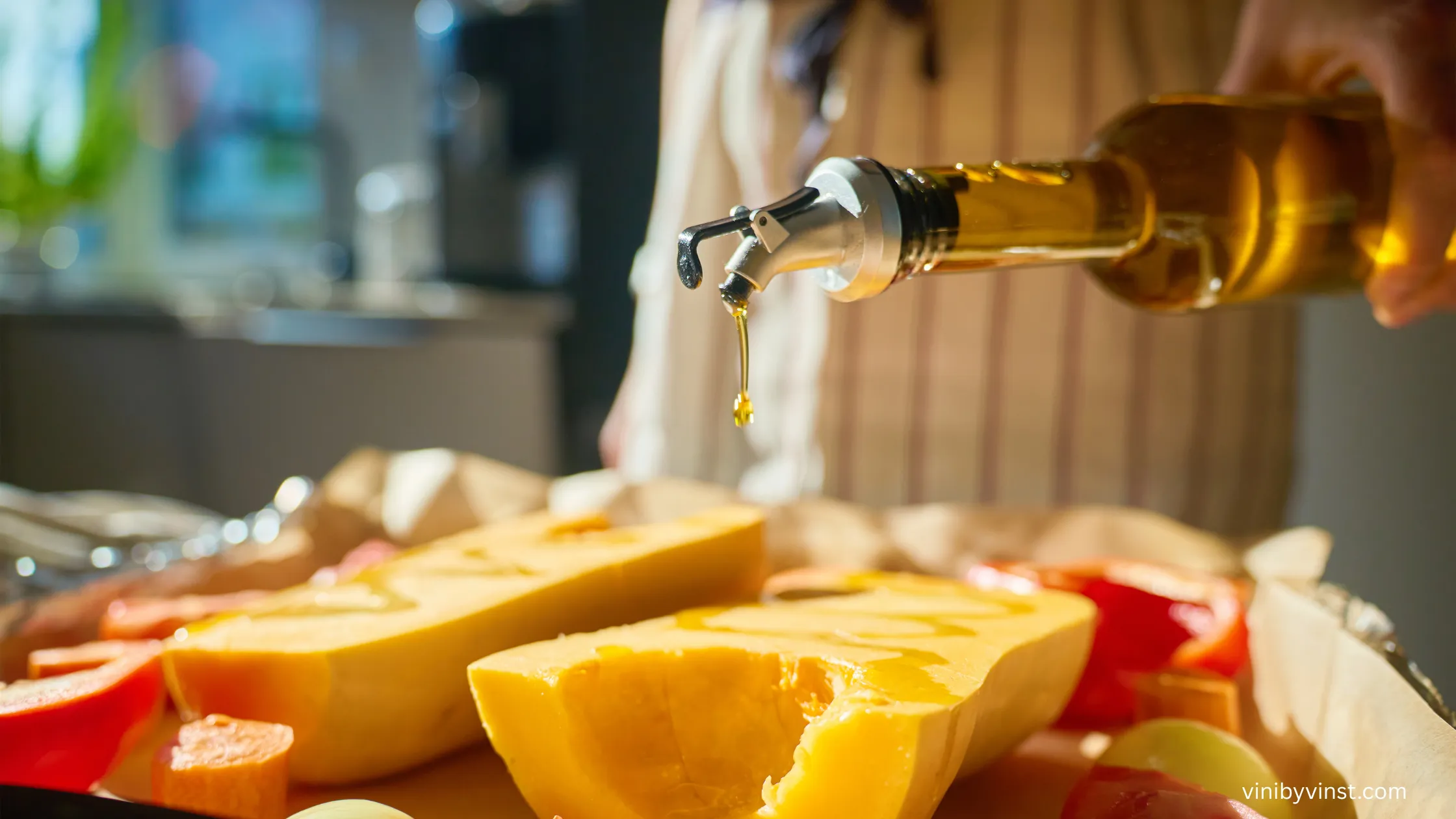
Roasted vegetables should be golden and crisp at the edges, tender in the middle, and full of flavor. The right olive oil helps make that happen. But with so many options at the grocery store, choosing the best olive oil for roasting vegetables isn't always straightforward.
Should you use extra virgin olive oil (EVOO)? Is regular olive oil better for high temperatures? And do you really need an expensive bottle to get delicious roasted potatoes, carrots, or Brussels sprouts?
Here's the short answer: A fresh, moderately priced extra virgin olive oil is the best choice for most everyday vegetable roasting. Despite concerns about its smoke point, EVOO generally holds up well under typical roasting conditions, thanks partly to its monounsaturated fats and natural antioxidants.
You don't need a premium brand or a specialty cooking oil. Freshness, flavor, and how you use the oil matter more than an expensive label.
Below, we'll explain what the research says, which type of olive oil works best for different vegetables, and how to choose a good bottle without overspending.
What Is the Best Olive Oil for Roasting Vegetables?
The best olive oil for roasting vegetables is a fresh, good-quality extra virgin olive oil with a balanced flavor and reasonable price. For most vegetables roasted at 400–425°F, EVOO offers an excellent combination of flavor, cooking performance, and nutritional value.
You don't need the most expensive bottle on the shelf. Heating can diminish the delicate aromas that make premium olive oils special, so a reliable everyday EVOO is usually the smarter choice for roasting.
The ideal olive oil also depends on what you're cooking. A bold, peppery oil can complement hearty vegetables, while a mild, buttery EVOO may work better with delicate ones.
Which Olive Oil Should You Use? A Quick Comparison
Your cooking goal
Best type of olive oil
Why it works
Everyday roasting at 375–425°F
Fresh, mid-priced extra virgin
Good heat stability and natural olive flavor
Hearty vegetables like Brussels sprouts and potatoes
Robust, peppery extra virgin
Stronger flavor complements hearty vegetables
Delicate vegetables like zucchini and asparagus
Mild, buttery extra virgin
Adds richness without overpowering
Large batches on a budget
Extra virgin in a larger bottle or tin
Better value if you'll use it while fresh
Neutral flavor for heavily seasoned vegetables
Regular or refined light-tasting olive oil
Mild taste lets spices stand out
Finishing vegetables after roasting
Fresh, aromatic extra virgin
Adds flavor and aroma without prolonged heating
Our recommendation: Keep one fresh, moderately priced extra virgin olive oil for everyday roasting. If you enjoy a stronger olive flavor, consider a second, more aromatic EVOO for drizzling over vegetables after cooking.
How to Choose Olive Oil for Roasting in 30 Seconds
Before putting a bottle in your shopping cart, check these five things:
- Choose extra virgin for most everyday roasting.
- Check the harvest date when available, and favor a recent harvest.
- Pick your flavor: mild for delicate vegetables or robust for stronger ones.
- Look at the packaging: dark glass and metal tins help protect the oil from light.
- Compare price per ounce: a fresh supermarket EVOO can be a better buy than an expensive specialty oil.
That's usually all you need to find a good everyday roasting oil.
Can You Roast Vegetables With Extra Virgin Olive Oil?
Yes. You can roast vegetables with extra virgin olive oil, including at typical oven temperatures of 400°F and 425°F.
The idea that EVOO should never be heated comes largely from misunderstandings about smoke point. Although smoke point matters, it doesn't tell the whole story about how an oil performs during cooking.
Why Olive Oil's Smoke Point Doesn't Tell the Whole Story
An oil's smoke point is the temperature at which it begins producing a continuous stream of visible smoke under specified testing conditions.
Extra virgin olive oil is commonly reported to have a smoke point around 350–410°F, although the actual temperature varies with the oil's composition, freshness, free fatty acid content, and testing methods.
That range might sound concerning if your recipe calls for roasting vegetables at 425°F.
However, there's an important distinction: The temperature inside your oven isn't necessarily the temperature of the oil coating your vegetables.
Vegetables contain moisture, which absorbs heat as it evaporates. This can keep the oil on their surfaces cooler than the surrounding oven air, particularly during the earlier stages of roasting.
Oil that collects on an exposed, hot baking sheet is different. Without moisture from the vegetables, pooled oil can become much hotter and begin smoking.
That's why a thin, even coating of olive oil is usually better than leaving puddles on the pan.
Smoke point also shouldn't be confused with oxidative stability, which describes an oil's resistance to chemical changes when exposed to heat and oxygen.
An oil can have a relatively high smoke point without necessarily being the most resistant to oxidation.
What Scientific Research Says About Heating Extra Virgin Olive Oil
Extra virgin olive oil contains a high proportion of oleic acid, a monounsaturated fatty acid that is relatively resistant to oxidation compared with polyunsaturated fats.
EVOO also contains naturally occurring antioxidants, including phenolic compounds, that contribute to its stability and distinctive flavor.
A 2018 laboratory study compared ten commercial cooking oils under controlled heating conditions. Researchers heated the oils to temperatures reaching 464°F and also held them at 356°F for six hours.
The extra virgin olive oil examined produced the lowest levels of polar compounds among the oils tested. Polar compounds are substances formed as oils undergo chemical changes during heating.
The researchers concluded that smoke point alone was a poor predictor of oil performance and that oxidative stability and fatty acid composition were more useful considerations.
There is an important limitation: the study was conducted by Modern Olives, a laboratory associated with an Australian olive oil producer. This industry connection deserves disclosure, and the findings shouldn't be interpreted as proof that every EVOO outperforms every other cooking oil under all conditions.
Other research supports EVOO's heat stability while highlighting some important trade-offs.
A 2020 study examined extra virgin olive oil heated with potatoes, carrots, and onions at 356°F for one hour. The oil's fatty acid composition showed strong resistance to heating, but its phenolic compounds declined, particularly when vegetables were present.
A separate 2024 study examined several extra virgin olive oils heated in an oven at 356°F and 428°F. It found greater oxidative changes at the higher temperature, although meaningful amounts of phenolic compounds and antioxidant activity remained after heating. Results also varied among olive varieties.
Together, these findings suggest that extra virgin olive oil is a sound choice for roasting, but that heat affects some of its flavor and antioxidant compounds.
The practical takeaway: EVOO's fats generally withstand normal roasting conditions well. However, heating can reduce some of its delicate aromas and antioxidants. That's a good reason to cook with an everyday bottle and save especially flavorful olive oil for finishing.
Is Extra Virgin Olive Oil Safe at 400°F or 425°F?
For most home vegetable roasting, yes.
Extra virgin olive oil works well with vegetables commonly roasted at these oven settings, including broccoli, cauliflower, Brussels sprouts, carrots, parsnips, potatoes, sweet potatoes, zucchini, bell peppers, and butternut squash.
For best results, lightly coat the vegetables, spread them across the baking sheet, and avoid leaving excess oil exposed on the pan.
If the oil begins smoking heavily or smells burnt, check for pooled oil and reduce the oven temperature if needed.
There is no reason to avoid extra virgin olive oil simply because a vegetable-roasting recipe calls for 425°F.
Extra Virgin vs. Regular vs. Light Olive Oil for Roasting
Olive oil labels can be confusing, especially when bottles use terms such as "pure," "light," and "extra virgin."
All three common categories can be useful for roasting, but they differ in processing, flavor, and antioxidant content.
Olive oil type
How it's made
Flavor
Best use
Extra virgin
Mechanically extracted without refining
Fruity, grassy, sometimes peppery
Everyday vegetable roasting
Regular or "pure"
Refined olive oil blended with virgin olive oil
Mild
Cooking when less olive flavor is preferred
Light or "extra light taste"
Refined olive oil blended with virgin olive oil
Very mild
Roasting where seasonings should dominate
Extra Virgin Olive Oil: Best for Everyday Roasting
Extra virgin olive oil is produced through mechanical extraction without the refining used for regular and light-tasting olive oils.
It retains many of the naturally occurring compounds responsible for its fruity, grassy, bitter, or peppery characteristics.
These flavors can enhance roasted potatoes, carrots, cauliflower, and Brussels sprouts.
EVOO also retains more naturally occurring phenolic compounds than refined olive oil, although some are lost during cooking.
For most home cooks, a fresh everyday EVOO offers an appealing balance of flavor, cooking performance, and value.
Regular Olive Oil: A Milder Alternative
Bottles labeled simply "olive oil" or "pure olive oil" generally contain refined olive oil blended with some virgin olive oil.
Refining reduces the oil's distinctive olive flavor and removes many minor compounds, including some antioxidants.
Regular olive oil is useful when you want a milder taste or prefer a less assertive oil for cooking.
However, it isn't automatically better for roasting just because it's refined.
For ordinary roasting temperatures, both regular and extra virgin olive oil can work well.
Light Olive Oil: Best When You Want Less Olive Flavor
Light olive oil doesn't contain fewer calories or less fat than extra virgin olive oil.
The word "light" describes its milder flavor and often lighter color, not its calorie content.
Like other olive oils, it contains approximately 120 calories per tablespoon.
Light-tasting olive oil can be useful when roasting vegetables with strong seasonings such as smoked paprika, cumin, chili powder, or curry spices.
It allows those flavors to take center stage without adding a noticeable olive taste.
Which Olive Oil Is Best for Very High-Heat Roasting?
For most vegetable roasting at 375–425°F, fresh extra virgin olive oil is an excellent starting choice.
At higher oven temperatures, especially around 450°F and above, exposed oil on a hot baking sheet may be more likely to smoke or undergo oxidative changes.
However, 425°F isn't a scientifically established maximum temperature for all olive oils.
Actual cooking performance depends on the particular oil, how much is used, how long it is heated, and whether it is coating moist vegetables or sitting directly on the pan.
Some refined cooking oils are better suited to high-temperature applications, but don't assume that every bottle labeled "light" or "extra light" has the same heat tolerance.
If a recipe calls for 450°F or more, consider using an oil specifically suited to that cooking temperature, such as an appropriate refined avocado oil. Alternatively, roast at 425°F and adjust the cooking time.
The goal is to produce beautifully browned vegetables without excessive smoking or burning.
Which Type of Olive Oil Should You Buy for Roasting?
You don't need to choose a particular brand to get excellent results.
Instead, match the oil's flavor, packaging, and quantity to the vegetables you cook most often.
1. A Mid-Priced Everyday Extra Virgin: The Best All-Around Choice
For most households, this is the only roasting oil you really need.
Look for a fresh extra virgin olive oil with a balanced flavor and a price that makes sense for regular cooking.
Supermarket EVOOs can offer excellent quality without the cost of premium finishing oils.
Don't assume that a more expensive bottle automatically means better roasting results.
Freshness, proper storage, and flavor preference often matter more.
2. A Robust, Peppery Extra Virgin: Best for Hearty Vegetables
Robust olive oils have a more pronounced flavor, often described as grassy, bitter, peppery, or pungent.
They pair particularly well with vegetables that have stronger flavors, including:
- Brussels sprouts
- Broccoli
- Cabbage
- Potatoes
- Cauliflower
- Roasted onions
Try tossing halved Brussels sprouts with robust EVOO, garlic, salt, and black pepper before roasting. Finish with fresh lemon juice to brighten the flavor.
Heat will soften some of the oil's intensity, but its character can still complement the vegetables.
3. A Mild, Buttery Extra Virgin: Best for Delicate Vegetables
Mild olive oils have a smoother, less bitter taste.
They're especially useful when you want the vegetables' natural flavors to remain the focus.
Good pairings include zucchini, asparagus, fennel, cauliflower, summer squash, and bell peppers.
Olive oils described as delicate, mellow, or buttery are worth considering.
Some oils made from riper, later-harvest olives have milder flavor profiles, although cultivar and processing also influence taste.
Neither mild nor robust EVOO is automatically better quality. Choose the flavor you enjoy.
4. A Larger Bottle or Tin: Best for Frequent Roasting
If your household regularly prepares roasted vegetables or sheet-pan dinners, a larger bottle or tin may offer better value per ounce.
The trade-off is freshness.
Olive oil gradually loses quality after opening, so buying in bulk only makes sense if you'll use it within a reasonable period.
For convenient everyday cooking, transfer a small amount into a clean, dry, opaque bottle. Keep the larger container tightly sealed in a cool, dark cupboard.
If you roast vegetables only occasionally, a smaller bottle may be the better purchase.
5. Regular or Refined Olive Oil: Best for Neutral Flavor
Choose regular or light-tasting olive oil when you prefer little noticeable olive flavor.
These options are especially useful for vegetables coated with bold spices or sauces.
They can also be convenient for households that want a versatile cooking oil without EVOO's peppery or grassy notes.
Just remember that refined olive oil generally contains fewer of the phenolic compounds found in extra virgin olive oil.
And if you're cooking at especially high temperatures, check the suitability of the individual product rather than relying on the word "refined."
6. A Finishing Extra Virgin Olive Oil: Optional, but Flavorful
If you enjoy olive oil's distinctive taste, consider keeping a small bottle of fresh, aromatic EVOO for finishing vegetables after roasting.
This is where an especially flavorful oil can make a noticeable difference.
A few drops of robust EVOO over hot roasted carrots, potatoes, or cauliflower can add fresh, peppery character that would otherwise be reduced by prolonged heating.
It's an optional extra, not a requirement for good roasted vegetables.
How to Choose a Good Bottle of Olive Oil
Once you've selected the type of olive oil you want, the next step is choosing a fresh, properly packaged bottle.
These five buying tips can help you avoid stale oil and unnecessary expense.
1. Look for a Recent Harvest Date
Freshness is one of the most useful indicators of extra virgin olive oil quality.
Like other fats, olive oil gradually oxidizes during storage. Over time, it can lose some of its pleasant aromas and develop stale flavors.
When available, look for a harvest date that tells you when the olives were picked.
Choosing oil from the most recent harvest season is a good strategy.
The California Olive Oil Council recommends using extra virgin olive oil within approximately 18–24 months of harvest, assuming proper storage.
Harvest timing also depends on where the olives were grown.
In the Northern Hemisphere, including Spain, Italy, Greece, and California, olives are generally harvested from fall into early winter.
In the Southern Hemisphere, including Australia, Chile, and Argentina, harvesting generally takes place during spring and early summer in Northern Hemisphere calendar terms.
A best-by date is still useful, but it doesn't always tell you when the olives were harvested.
Some blended olive oils contain oils from multiple growing regions or harvest periods, so a single harvest date may not be available.
Buying tip: When comparing similar bottles, favor recent harvest information, clear labeling, and evidence of good storage conditions.
2. Understand Olive Oil Labels and Certifications
Extra virgin is the highest recognized olive oil grade.
To qualify, an oil must meet defined chemical and sensory standards, including requirements relating to acidity and the absence of specified sensory defects.
Additional certifications may provide reassurance.
California Olive Oil Council (COOC) seal: Indicates that the certified oil meets the organization's requirements for California-grown extra virgin olive oil, including freshness-related standards.
PDO and PGI designations: European geographic certifications that connect qualifying products with particular regions and production requirements.
USDA Organic: Indicates that the product meets organic production standards. It does not, by itself, establish the oil's freshness or extra virgin grade.
Certification can be helpful, but it isn't the only sign of a good oil.
A fresh, properly stored EVOO without a special seal may still be an excellent roasting choice.
3. Choose Packaging That Protects Freshness
Light, oxygen, and heat can accelerate olive oil's deterioration.
Dark glass bottles and metal tins help limit light exposure.
Plastic squeeze bottles can be convenient for everyday cooking, particularly when you use the oil quickly.
However, they may be less desirable for long-term storage.
For oil you plan to keep for several months, protective packaging and proper storage are important considerations.
Avoid buying bottles that have been displayed in direct sunlight or close to strong heat sources.
4. Don't Overspend on Olive Oil for Roasting
Premium extra virgin olive oils can have complex aromas and flavors that make them enjoyable for dipping bread, dressing salads, or finishing cooked dishes.
But prolonged heating can diminish many of those delicate aromatic compounds.
That means you don't need an expensive specialty bottle for everyday vegetable roasting.
A fresh, mid-priced supermarket EVOO is usually a more practical option.
Compare the price per fluid ounce, but also consider how quickly you'll finish the bottle.
An inexpensive large container isn't a bargain if much of the oil becomes stale before you use it.
5. Store Olive Oil Properly
Even a high-quality bottle can deteriorate if stored incorrectly.
Keep olive oil tightly closed in a cool, dark pantry or cupboard, away from the stove, oven, and direct sunlight.
Buy a container size you can use within a few months after opening, especially if freshness and flavor are priorities.
There's also a simple way to check for obvious deterioration.
Smell the oil.
Fresh EVOO may smell fruity, grassy, herbal, or pleasantly peppery.
Rancid olive oil may smell like crayons, stale walnuts, or old cooking oil.
If it develops unpleasant rancid odors, it's time to replace it.
How Much Olive Oil Should You Use for Roasting Vegetables?
A useful starting point is approximately one tablespoon of olive oil per pound of chopped vegetables, or about four cups of vegetables.
Adjust the amount depending on the vegetables' texture, size, and surface area.
The goal is a thin, even coating.
Too little oil can leave dry patches and limit browning. Too much can make vegetables greasy and encourage excess oil to collect on the baking sheet.
Olive Oil Amounts for Common Roasted Vegetables
Vegetable
Starting amount per pound
Suggested oven temperature
Broccoli
1–1½ tbsp
425°F
Brussels sprouts
1 tbsp
425°F
Carrots
1 tbsp
400–425°F
Potatoes
1–1½ tbsp
425°F
Sweet potatoes
1 tbsp
400–425°F
Cauliflower
1–1½ tbsp
425°F
Zucchini
1 tbsp
425°F
Mushrooms
1–1½ tbsp
425°F
These are starting recommendations rather than strict measurements.
Absorbent vegetables such as mushrooms and eggplant may need more oil, while dense root vegetables often require less.
Smaller pieces also have more exposed surface area and may need a little extra coating.
What Is the Best Temperature for Roasting Vegetables With Olive Oil?
For most vegetables, 400–425°F offers an excellent balance of browning, tenderness, and cooking time.
Oven temperature
Best use
375°F
Gentler roasting or recipes needing longer cooking
400°F
Root vegetables and mixed vegetable trays
425°F
Crisp edges on broccoli, cauliflower, potatoes, and Brussels sprouts
450°F and above
Faster browning; use an appropriately suited oil and monitor smoking
For recipes using extra virgin olive oil, 400–425°F is a practical default, not an absolute upper limit.
Remember that the oven setting describes the surrounding air temperature rather than the exact temperature of the oil on your vegetables.
Cooking time, moisture, pan material, and oil distribution all influence the final result.
Five Tips for Crispy, Golden Roasted Vegetables
1. Dry vegetables before adding olive oil.
Excess surface moisture encourages steaming rather than browning.
After washing vegetables, pat them dry with a clean towel before seasoning.
2. Cut vegetables into similar-size pieces.
Evenly sized pieces cook at approximately the same rate, helping prevent some from burning while others remain undercooked.
3. Toss vegetables with oil in a bowl.
Coating vegetables in a bowl helps distribute the olive oil evenly.
It also reduces the likelihood of oil collecting in puddles on the baking sheet, where it may overheat or smoke.
4. Don't overcrowd the pan.
Leave some space between the pieces so moisture can escape.
Overcrowded vegetables release steam and may become soft instead of developing crisp, browned edges.
Use two baking sheets when necessary.
5. Turn vegetables during roasting.
Turning or tossing vegetables about halfway through cooking encourages more even browning.
For extra crispness, you can preheat a sturdy, oven-safe baking sheet. Carefully add the lightly oiled vegetables and avoid pouring additional oil directly onto the hot surface.
Should You Use One Olive Oil for Roasting and Another for Finishing?
Using two different olive oils is a simple way to balance cost, cooking performance, and flavor.
The idea is straightforward: roast with an affordable, everyday extra virgin olive oil, then finish with a small drizzle of a more flavorful one.
Why does this work?
Heating can diminish some of the aromatic compounds responsible for EVOO's fresh, fruity, and peppery taste.
Adding a little unheated olive oil after cooking preserves more of those fresh aromas.
It also adds naturally occurring phenolic compounds that haven't undergone the roasting process.
This approach works particularly well with roasted tomatoes, carrots, cauliflower, asparagus, and potatoes.
For example, roast carrots with a mild EVOO, salt, and black pepper. After cooking, add a few drops of robust olive oil and a squeeze of lemon.
The result is a simple vegetable side dish with more depth and freshness.
Of course, you don't need two bottles to make delicious roasted vegetables.
If you keep just one good-quality EVOO in the kitchen, it can serve both purposes perfectly well.
Frequently Asked Questions About Olive Oil for Roasting Vegetables
Is extra virgin olive oil OK for roasting vegetables at 425°F?
Yes. Extra virgin olive oil is generally suitable for roasting vegetables at an oven setting of 425°F. Moisture released by the vegetables can keep the oil coating them cooler than the oven air, especially early in cooking. Use a thin, even coating, avoid oil pooling on the pan, and watch for excessive smoke.
Is regular or extra virgin olive oil better for roasting?
Extra virgin olive oil is usually the better everyday choice when you want natural olive flavor and more antioxidant compounds. Regular olive oil is a useful alternative when you prefer a milder taste. Both can work for roasting, and suitability depends on the oil's composition and cooking conditions.
Does roasting destroy olive oil's health benefits?
No. Roasting can reduce some of extra virgin olive oil's phenolic antioxidants and delicate aromas, but it doesn't eliminate all of its beneficial characteristics. Its monounsaturated fats remain an important part of its nutritional profile. Adding a little fresh EVOO after cooking provides additional flavor and unheated phenolic compounds.
How much olive oil do I need per pound of vegetables?
Start with approximately one tablespoon of olive oil per pound of chopped vegetables. Add a little more when necessary to achieve a thin, even coating. Vegetables with absorbent textures or larger exposed surface areas may require more.
Is light olive oil lower in calories?
No. Light olive oil contains approximately the same calories and fat as extra virgin olive oil, around 120 calories per tablespoon. The term "light" generally refers to its milder flavor and lighter color resulting from refining.
Is olive oil or avocado oil better for roasting vegetables?
Both can work well. Extra virgin olive oil adds fruity or peppery flavor and is an excellent choice for everyday roasting at 400–425°F. Refined avocado oil is often preferred for higher-temperature cooking because of its relatively neutral taste and typically high smoke point. The best choice depends on your recipe, flavor preference, and cooking temperature.
Should I oil vegetables before or after roasting?
For traditional roasted vegetables with browned, crisp edges, lightly coat them with oil before cooking. Adding olive oil after roasting emphasizes its fresh flavor. For the benefits of both approaches, use a modest amount during cooking and finish with a small drizzle of fresh EVOO.
Final Verdict: What Is the Best Olive Oil for Roasting Vegetables?
The best olive oil for roasting vegetables isn't necessarily the most expensive bottle or the one advertising the highest smoke point.
For most home kitchens, a fresh, moderately priced extra virgin olive oil is the smartest choice.
Choose a robust, peppery EVOO for hearty vegetables such as Brussels sprouts, broccoli, and potatoes. Pick a milder oil when roasting delicate vegetables like zucchini or asparagus.
If you prefer little olive flavor, regular or light-tasting olive oil can be a useful alternative.
For especially high-temperature cooking, consider an oil specifically suited to those conditions rather than assuming every olive oil has the same heat tolerance.
Whatever you choose, remember the essentials: look for freshness, store your olive oil properly, coat vegetables lightly, and start with an oven temperature of 400–425°F.
Great roasted vegetables don't require a premium brand or an expensive specialty oil. They require fresh ingredients, good technique, and an olive oil that complements the food you're cooking.